

The Land Edit
There’s a particular kind of Middle Tennessee dream that doesn’t end at the front door.
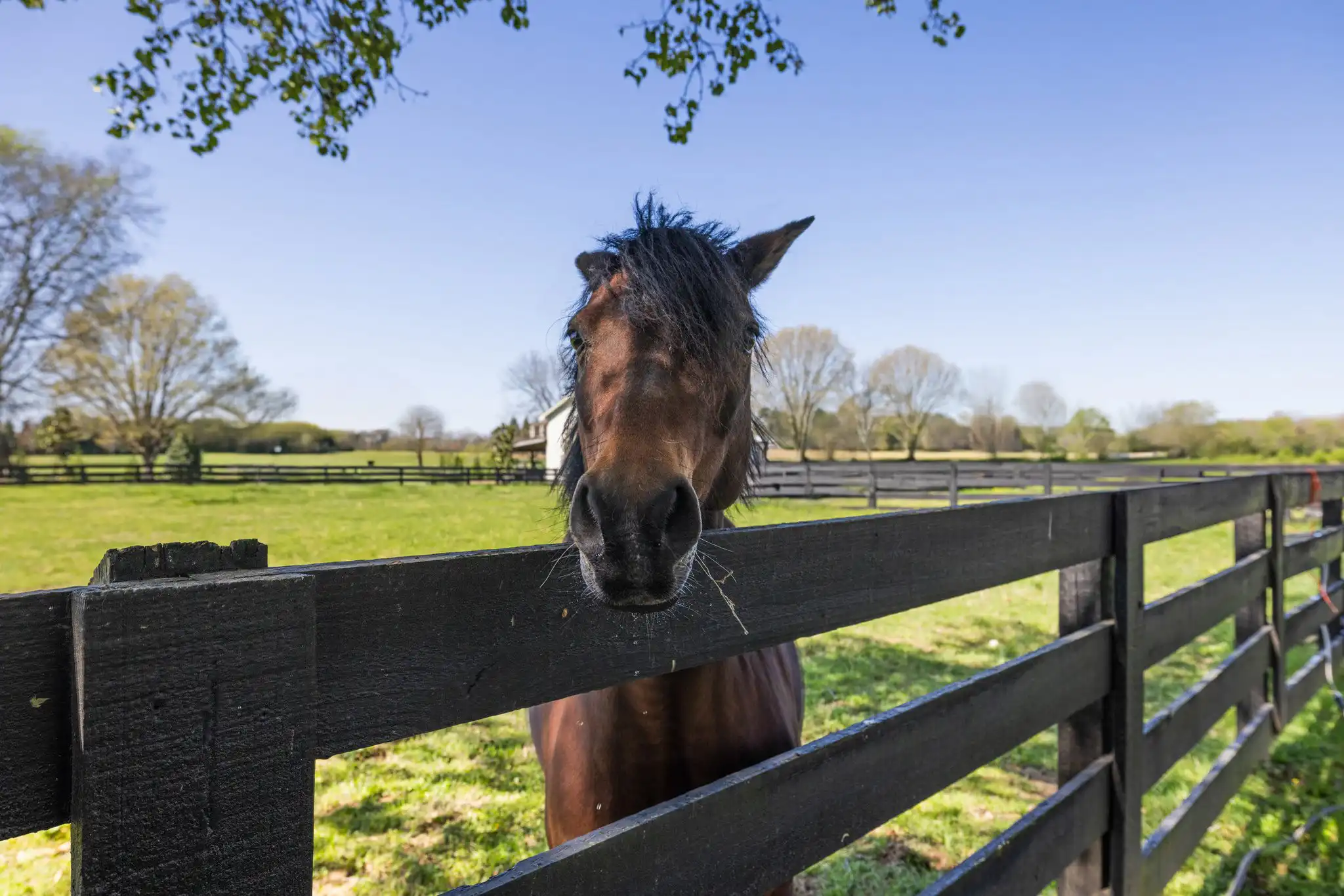
It’s horses grazing beyond the kitchen window, chickens wandering toward the garden, a couple of goats keeping everyone entertained, and a barn that’s just as much a part of everyday life as the house itself. Maybe it’s a few acres outside Franklin with room for a small hobby farm. Maybe it’s a more established equestrian property in College Grove or Leiper’s Fork, complete with pastures, stalls, and a riding arena.
For buyers moving to Williamson County, that lifestyle is often one of the biggest reasons they’re drawn to the countryside. And in places like Franklin, Thompson’s Station, Arrington, and College Grove, the combination of beautiful farmland and proximity to Nashville makes the idea particularly appealing.
But before purchasing five, ten, or twenty acres with animals in mind, there’s an important distinction to understand: owning acreage doesn’t automatically mean you can use it for every agricultural or equestrian purpose you’re imagining.
The good news? With the right property, thoughtful planning, and an understanding of local regulations, that vision can absolutely be worth pursuing.
Can You Have Farm Animals on Residential Property in Williamson County?
The short answer is that it depends on the property.
Williamson County has a long agricultural history, and livestock remains part of the landscape throughout its rural communities. But whether you can keep horses, chickens, goats, sheep, or cattle on a particular parcel depends on factors including the property’s jurisdiction, zoning, intended use, and any recorded private restrictions.
A property with a Franklin address may fall within the City of Franklin or unincorporated Williamson County, which have separate zoning ordinances. Properties in Thompson’s Station and other incorporated communities may fall under additional municipal regulations.
That’s why we’d never recommend purchasing a property based solely on the assumption that five acres is enough for chickens or ten acres is enough for horses. The property needs to be evaluated for the specific animals and activities you have in mind.
There is also a meaningful difference between keeping a few animals for personal enjoyment and establishing an operation involving boarding, breeding, training, sales, or events. Those activities can fall into different land-use categories and may require additional review or approvals.
What Makes a Good Horse Property in Franklin or College Grove?
For buyers dreaming of horses, the conversation needs to go well beyond acreage.
Some of the most beautiful land in Williamson County isn’t necessarily the most functional land for equestrian use. A property may offer sweeping views and wooded hillsides but have very little suitable pasture. Another may be less dramatic at first glance but offer relatively level fields, existing fencing, a barn, reliable water, and excellent access for horse trailers.
When evaluating a potential horse property, we pay particular attention to how the land is arranged. Can the pastures be divided for rotation? Is there adequate drainage? Where would a barn sit in relation to the house? Can a trailer enter, turn around, and exit comfortably? Are there suitable locations for paddocks, gates, water access, and equipment storage?
And if riding is central to the lifestyle, there’s another question worth asking early: Does the property have a practical location for a riding arena?
A flat-looking field isn’t necessarily ready for an arena. Grading, footing, drainage, access, and the applicable land-use standards all matter. An arena can also change how the surrounding property functions, particularly when fencing, trailer access, lighting, or additional buildings are part of the plan.
This is why an existing equestrian property can sometimes be more appealing than raw acreage. A well-positioned barn, established pasture, functional fencing, and appropriate riding facilities represent work that a future buyer may otherwise need to plan, approve, and construct.
Do You Need Approval to Build a Barn or Riding Arena in Williamson County?
One of the most important distinctions for buyers considering an equestrian property is whether they’re planning to keep horses for personal use or establish a commercial operation.
Williamson County’s zoning ordinance specifically defines an equestrian facility as a commercial operation for boarding or training horses belonging to someone other than the property owner. Under the county’s published standards for this use, an equestrian facility must occupy at least 15 acres and meet additional requirements governing the number of horses, indoor stalls, setbacks, riding areas, and related structures.
For example, the published ordinance limits these regulated facilities to one horse per two acres and establishes specific setbacks for riding areas, corrals, barns, and other improvements. Depending on the property’s zoning district, the use may also require special-use approval.
But here’s the distinction buyers need to understand: those commercial equestrian-facility standards should not automatically be applied to someone who simply wants to keep personal horses on their property.
If you’re considering purchasing acreage for your own horses, a private barn, or a riding arena, the appropriate first step is to confirm how Williamson County classifies your intended use and which zoning, building, and site-development requirements apply.
For properties within Franklin city limits, the city’s separate zoning ordinance governs. Franklin’s Agricultural District accommodates farming and agricultural uses, but the applicable rules depend on the specific parcel and proposed improvements.
Whether the dream involves two horses behind the house or a larger boarding and training operation, the distinction is worth clarifying before purchasing land or investing in construction.
What If You Just Want Chickens, Goats, or a Few Cows?
Not everyone wants a horse farm. Sometimes the dream is a smaller, more personal version of country living: fresh eggs, a vegetable garden, a few goats, perhaps sheep or cattle grazing in the pasture.
The appeal is easy to understand, but different animals bring different property needs.
Chickens: A backyard flock may require a coop, secure outdoor enclosure, predator protection, feed storage, and a practical way to manage cleaning and runoff. Buyers should verify whether chickens and any roosters are permitted for the particular property, along with the applicable rules for the coop itself. We would not assume that a structure described as a chicken coop is automatically exempt from local requirements.
Goats and sheep: These animals can fit naturally into a hobby-farm vision, but secure fencing, shelter, pasture management, and access to clean water are essential. Goats in particular can be surprisingly talented escape artists, making the condition and design of existing fencing an important part of evaluating a property.
Cattle: A small cattle operation changes the scale of the conversation. Usable pasture, forage, water, handling facilities, fencing, and access for livestock transportation become particularly important. The amount of land needed depends on the animals, forage production, pasture condition, and management practices, not simply a universal number of acres per cow.
Miniature donkeys and other companion livestock: Smaller animals can sound like an easier introduction to farm life, but they still need appropriate shelter, fencing, and suitable living conditions. Their smaller size doesn’t automatically mean every residential parcel will accommodate them.
Across all of these scenarios, one thing remains consistent: the property should be evaluated for both the intended animal use and the structures needed to support it.
Can You Build a Chicken Coop, Livestock Shelter, or Agricultural Building?
A coop or small livestock shelter may seem like a straightforward addition to a rural property, but there isn’t one universal approval rule that applies to every parcel in Williamson County.
The first question is whether the intended animal use is permitted. The second is how the proposed structure is classified.
A small backyard coop, a detached livestock shelter, a traditional agricultural barn, and a commercial equestrian building may not be treated identically under zoning and building regulations.
For properties in unincorporated Williamson County, the Planning Department can help determine applicable zoning and land-use standards, while the Building Codes Department addresses relevant building-permit requirements. Within Franklin, accessory uses and structures are regulated under the city’s zoning ordinance, with approval generally administered through Building and Neighborhood Services unless a site plan is required.
Agricultural-building exceptions can exist, but they should never be assumed to eliminate every applicable approval. The actual use of the building, its location, construction, and any plumbing or electrical work can affect what is required.
For buyers envisioning a hobby farm, we recommend identifying potential locations for coops, barns, shelters, and feed storage before purchasing. It is far easier to create a functional arrangement from the beginning than to discover later that the most convenient location conflicts with a setback, easement, septic area, or another restriction.
The Difference Between Having Horses and Operating an Equestrian Business
This is where a property owner’s long-term plans become especially important.
Keeping personal horses is one thing. Offering boarding, riding lessons, training, clinics, or events can introduce a very different set of considerations.
A commercial operation may bring more vehicle traffic, additional parking, employees, clients, manure management needs, lighting, and more intensive use of the property. Williamson County’s equestrian-facility provisions specifically address matters such as setbacks, stalls, stormwater, and special events.
Someone purchasing land with the hope of eventually opening a boarding facility should disclose that intention during the property search. The same applies to plans for a riding school, training barn, or event-oriented equestrian property.
A property that works beautifully for personal horses may not necessarily be suitable for the business you hope to build around them.
And that difference is worth understanding before investing in improvements.
What Do Experienced Acreage Buyers Notice That Others Might Miss?
One of the biggest differences between shopping for a beautiful country home and shopping for a functional hobby farm is learning to look beyond the scenery.
An existing barn is appealing, but is it positioned well for everyday use? Can feed deliveries reach it? Does the ground around the entrance stay reasonably dry? Is there room to move equipment? Are the fences appropriate for the animals you plan to keep?
The same applies to pasture. A lush green field photographed in spring may look ideal, but pasture quality and carrying capacity vary throughout the year. Some areas may become muddy during wet weather, while others may require supplemental feeding or more intensive management during dry periods.
Even the driveway deserves consideration. A winding entrance lined with mature trees may be beautiful, but can a horse trailer, livestock hauler, or hay delivery truck navigate it comfortably?
Then there are the everyday logistics that don’t always make it into the listing description: access to feed and supplies, veterinary care, farriers, equipment storage, manure handling, pasture maintenance, and the cost of maintaining fencing and outbuildings.
None of these details should discourage buyers from pursuing the lifestyle. They simply help distinguish a property that’s beautiful to visit from one that’s genuinely enjoyable to operate.
Where Should You Look for Horse and Hobby Farm Properties Near Franklin?
Williamson County offers several distinct countryside settings, and the right area often depends on the kind of property you’re hoping to create.
Leiper’s Fork and western Franklin appeal to buyers drawn to scenic farmland, established estates, historic character, and the countryside surrounding Old Hillsboro Road, Leipers Creek Road, and the western portions of Franklin. Equestrian properties can be particularly compelling here, although terrain, usable pasture, and availability vary considerably.
College Grove deserves serious consideration for buyers looking for larger parcels, estate properties, barns, pasture, and a combination of rural living with access to Franklin and I-840. The area includes working agricultural land as well as newer residential development, making the exact location particularly important.
Arrington can appeal to buyers who want a countryside setting while maintaining convenient connections to Franklin, Brentwood, and surrounding communities. Depending on the parcel, it can be an interesting area for smaller hobby-farm aspirations or estate-style acreage.
Thompson’s Station and southern Williamson County are worth exploring for buyers seeking established farmland, equestrian properties, and larger tracts while remaining within Williamson County. As with other growing areas, surrounding development and long-term land-use plans deserve attention.
For buyers prioritizing substantial acreage or more intensive agricultural uses, expanding the search into nearby Maury County may also be worthwhile, with the understanding that county regulations and infrastructure considerations change.
Before You Buy, Ask These Five Questions
If horses, chickens, goats, cattle, or another farm-based lifestyle are part of the plan, we’d want clear answers to five questions:
- Are the specific animals and intended activities permitted on this parcel? Confirm the jurisdiction, zoning, and any applicable recorded private restrictions rather than relying on acreage alone.
- Can the necessary structures be built where they’ll actually function best? That includes barns, coops, run-in sheds, riding arenas, fencing, and supporting improvements.
- Does the land physically support the animals you want? Consider usable pasture, water, drainage, terrain, access, and the practical needs of each species.
- Are you keeping animals personally or planning a business? Boarding, training, breeding, sales, and events may introduce additional requirements.
- What will the property require to maintain? Think about fencing, equipment, feed, pasture care, animal care, buildings, and ongoing upkeep.
These questions aren’t intended to complicate the dream. They’re how you make sure the property is capable of supporting it.
Final Thought
There’s something special about the way life unfolds on a piece of land.
The daily routine of feeding animals before the rest of the world is awake. The sound of horses moving through the pasture. Chickens gathering near the garden. A barn door left open on a beautiful Tennessee afternoon.
For some buyers, that lifestyle is familiar. For others, it’s something they’ve imagined for years while living somewhere that never quite had the space. And that’s part of what makes the countryside surrounding Franklin and Williamson County so appealing.
But the best horse property or hobby farm isn’t necessarily the one with the largest barn, the longest driveway, or the most acreage. It’s the one that works for the animals, the people caring for them, and the everyday life taking place around them.
Because the goal isn’t simply to own land where you can have animals. It’s to find a property where that lifestyle can genuinely thrive.
If you’re considering a horse property, hobby farm, or acreage in Franklin, Leiper’s Fork, College Grove, Arrington, Thompson’s Station, or the surrounding Middle Tennessee countryside, we’d love to help you explore the possibilities.
At The Jernigan Group, we understand that buying land is about more than finding the right house. It’s about finding a property that supports the life you want to create, whether that includes horses, livestock, gardens, barns, or simply a little more room to call your own.
📞 615.594.1990
📧 info@thejernigangroup.com
Animal uses, agricultural structures, equestrian facilities, building permits, and related restrictions vary by parcel, jurisdiction, zoning classification, and intended activity. All proposed uses and improvements should be confirmed with the applicable planning and building departments, along with any relevant state agencies and qualified professionals, before purchasing or developing a property.
Disclaimer: The information provided in this article reflects our research and understanding of applicable conditions, regulations, and available resources as of the date of publication. While every effort has been made to ensure accuracy, information is subject to change. Readers are encouraged to independently verify details with the appropriate local authorities and qualified professionals before making real estate or property-related decisions.